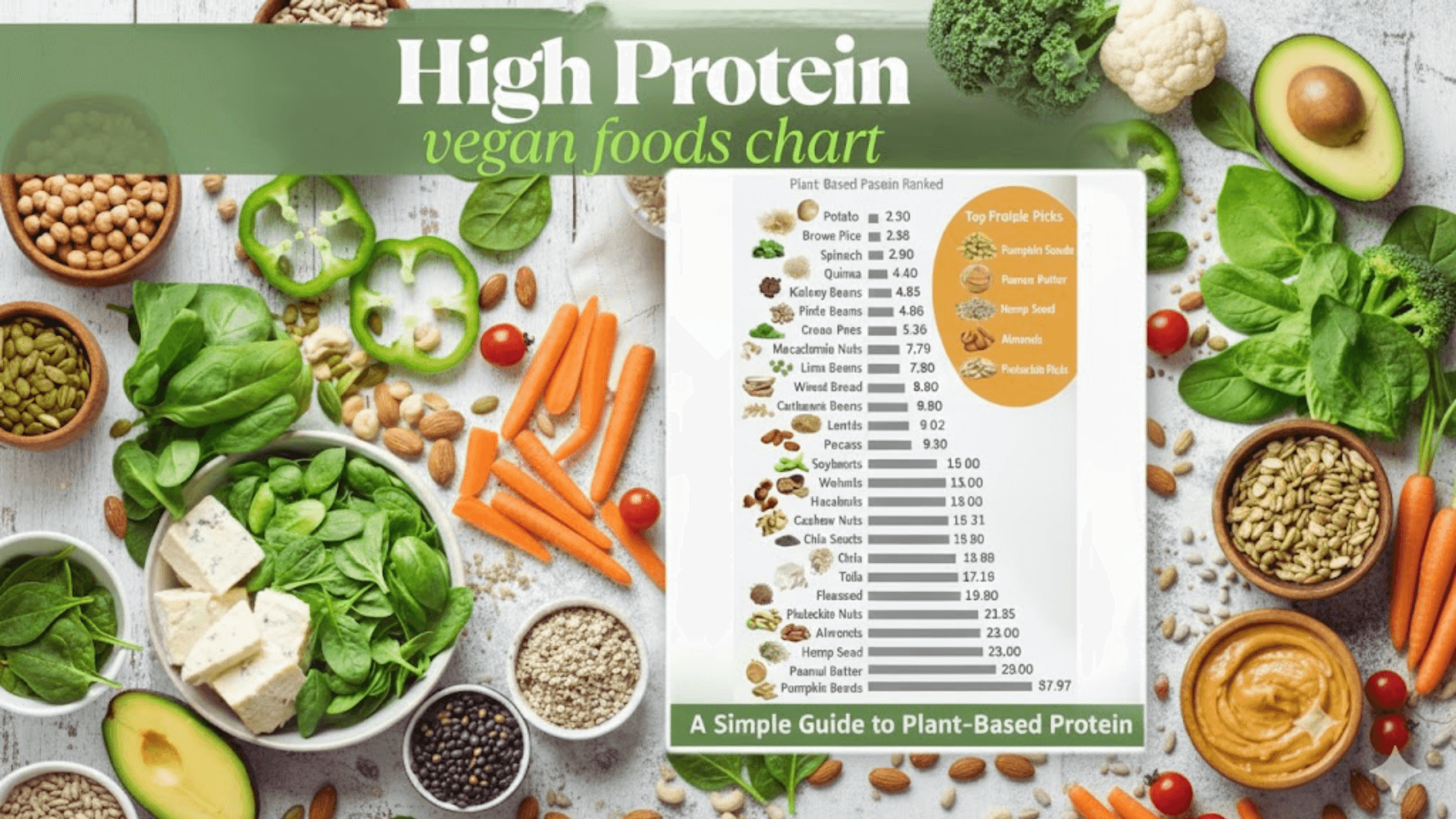
This high-protein vegan foods guide is designed to answer the number one question for plant-based eaters: are you getting enough protein?. Are you getting enough? Which foods actually count? And do you really need protein powder to hit your goals? If you are looking for a comprehensive high-protein vegan foods guide, you’re in luck.
The good news is that many everyday plant-based foods contain more protein than most people realize. Beans, seeds, whole grains, and soy-based foods can all help you build satisfying meals that support energy, fullness, and overall nutrition.
With January and Veganuary around the corner, a lot of people are using this time to explore plant-based eating or add more vegan meals to their routine. Having a simple reference makes that transition feel much easier.
Whether you are new to vegan eating, plant-curious, or just want easy ways to increase protein without overthinking it, this guide will help you choose plant-based foods with confidence.
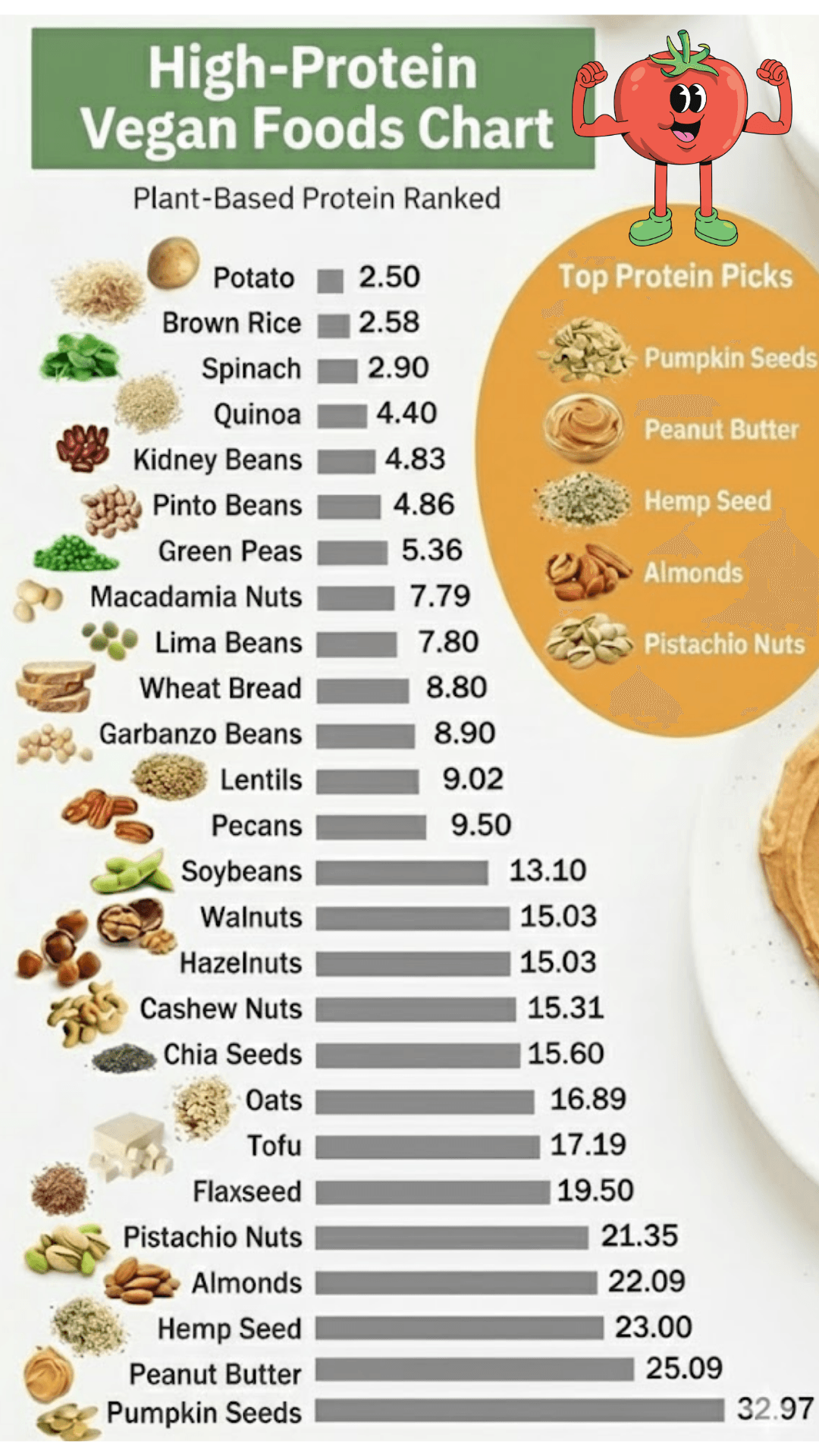
How to Read This Vegan Protein Chart
This high-protein vegan foods guide is designed to answer the number one question for plant-based eaters: are you getting enough protein? Whether you’re a long-time vegan or just curious about plant-based living, understanding where your nutrients come from is essential. If you are looking for a comprehensive high-protein vegan foods guide that simplifies your grocery shopping and meal prep, you’re in the right place.
The good news is that many everyday plant-based foods contain more protein than most people realize. From hearty lentils to versatile soy products, you can build satisfying meals that support your energy and nutrition goals without overcomplicating things.
Think of this chart as a helpful reference, not a rulebook. It is designed to guide food choices, spark meal ideas, and help you understand where plant-based protein comes from.
This kind of overview can be especially helpful during Veganuary, when many people are experimenting with plant-based meals and want a simple way to understand protein without tracking or stress.
High-Protein Vegan Foods List (From the Chart)
Below is a complete list of every plant-based food included in the vegan protein chart. These foods are grouped loosely by type and ranked in the chart by protein content by weight.
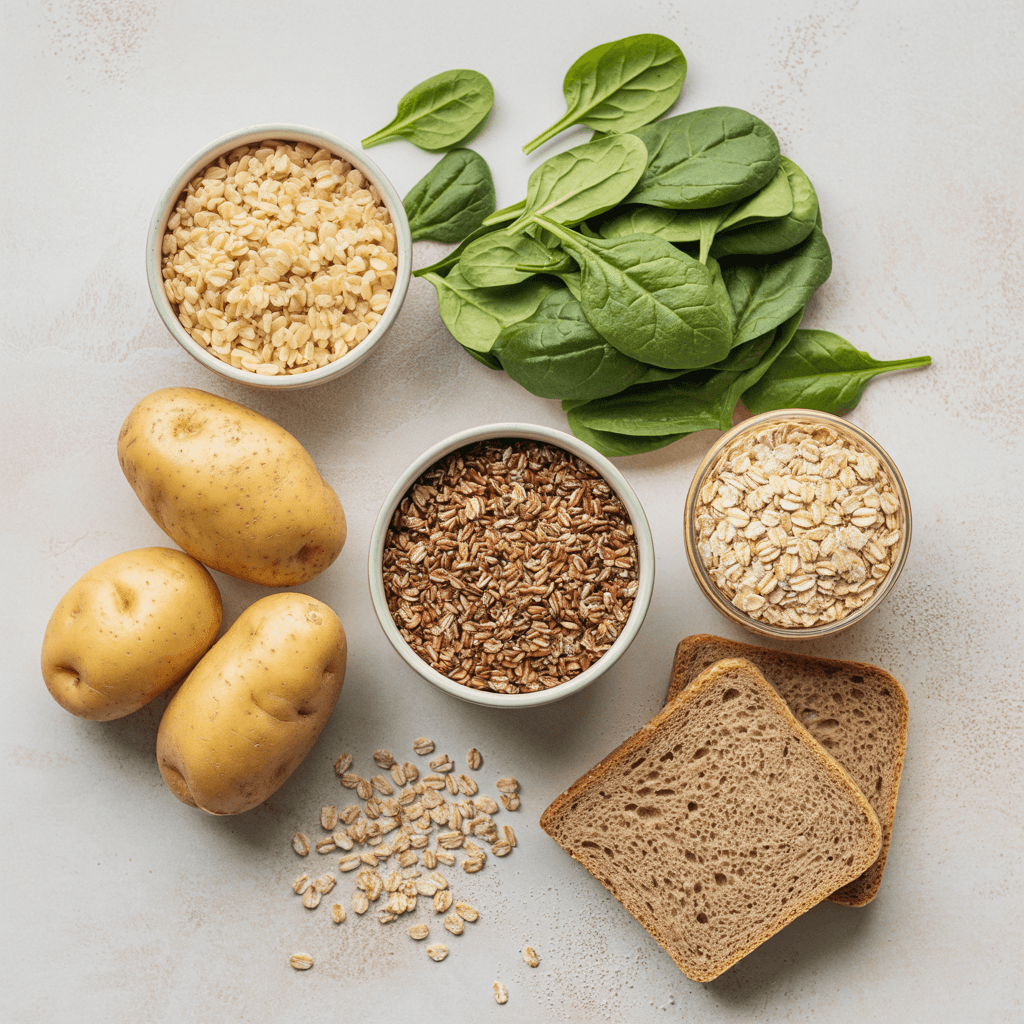
Vegetables and Grains
These foods are lower in protein by weight, but they still support your overall intake when you eat them regularly—especially when you pair them with legumes or seeds. Think of them as the base of your bowl or plate, with higher-protein foods layered on top.
• Potato
• Brown rice
• Spinach
• Wheat bread
• Oats
• Quinoa
Beans, Lentils, and Legumes
Legumes are a cornerstone of many high-protein vegan diets. They are affordable, filling, and easy to combine with grains or vegetables, making them a simple way to turn everyday meals into more satisfying, protein-rich bowls and salads.
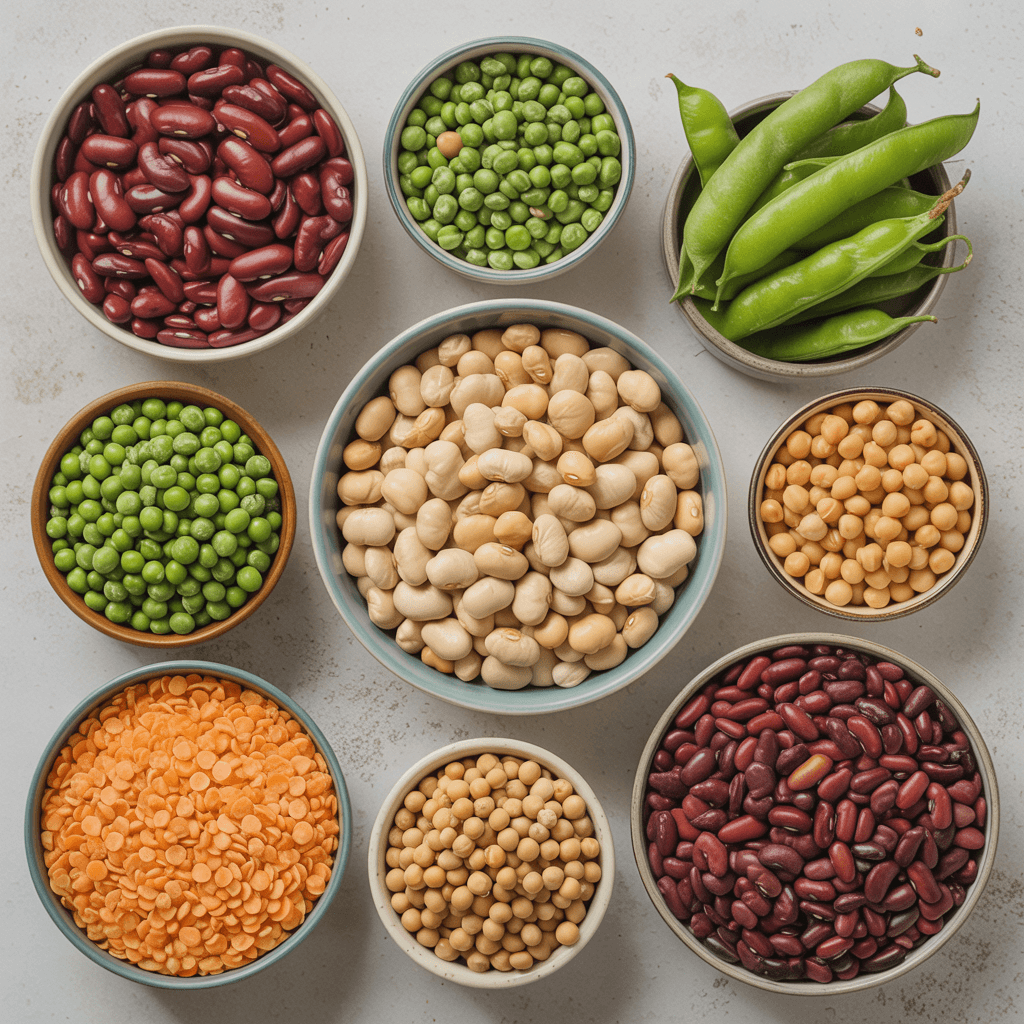
• Kidney beans
• Pinto beans
• Green peas
• Lima beans
• Garbanzo beans (chickpeas)
• Lentils
• Soybeans
Nuts and Nut-Based Foods
Nuts are more calorie-dense but provide protein along with healthy fats, fiber, and satisfying crunch. They work well as toppings, snacks, or blended into meals like smoothies, sauces, and oatmeal, where even a small handful can make your food feel more filling and satisfying.
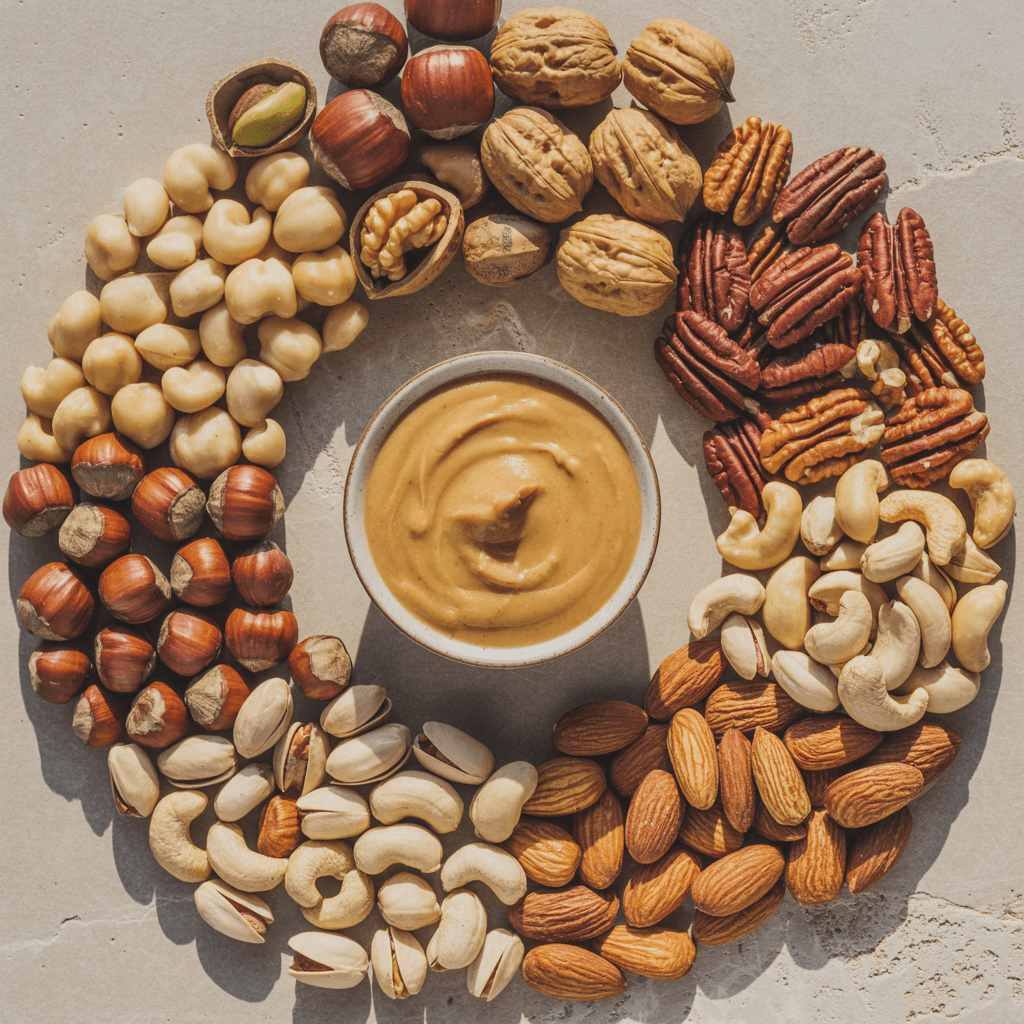
• Macadamia nuts
• Pecans
• Walnuts
• Hazelnuts
• Cashew nuts
• Pistachio nuts
• Almonds
• Peanut butter
Seeds
Seeds are some of the most protein-dense plant foods on the chart and rank higher than many grains and vegetables. They are easy to sprinkle into breakfasts, snacks, and main meals to boost protein without increasing portion size.
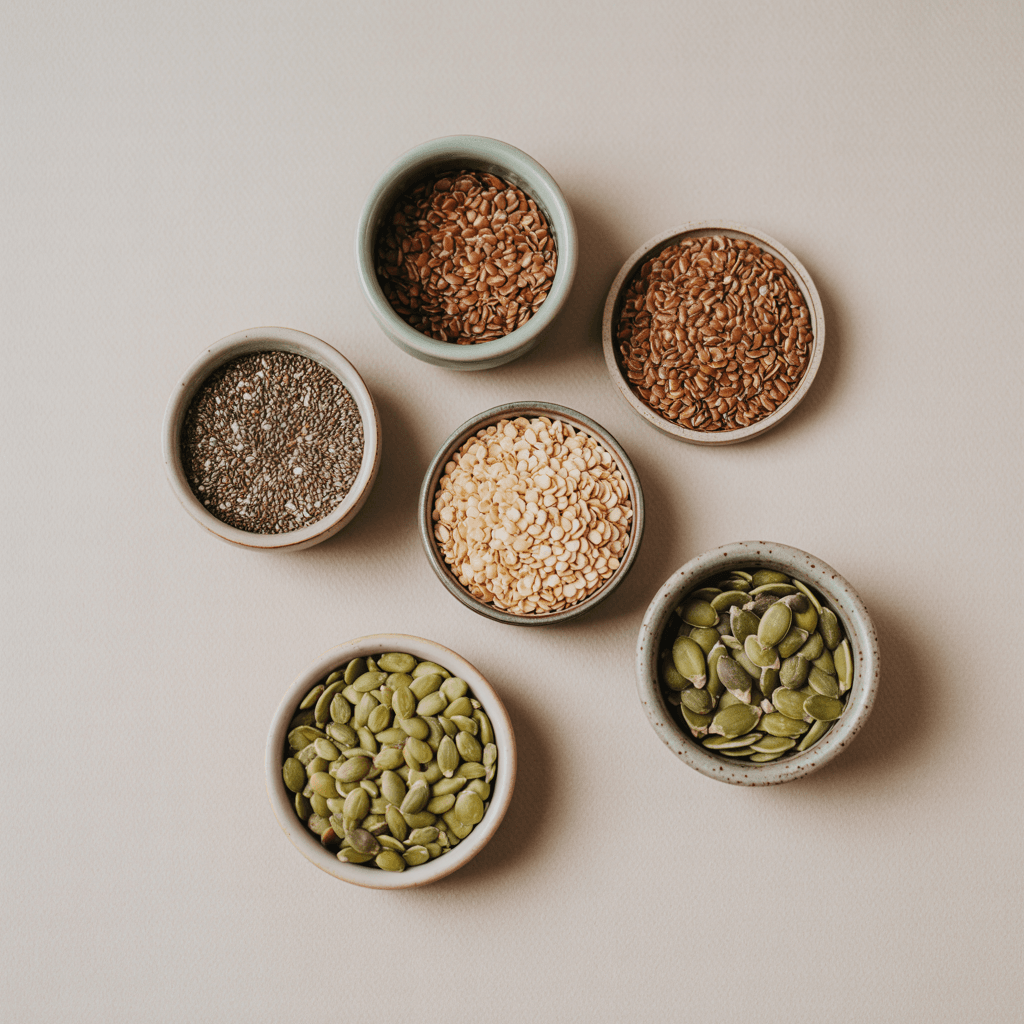
• Chia seeds
• Flaxseed
• Hemp seed
• Pumpkin seeds
Soy-Based Protein
Soy foods tend to rank higher on vegan protein charts because they are naturally protein-rich and very filling, making them a reliable anchor for meals. Options like tofu, edamame, and other soy-based foods can add substantial protein to bowls, stir-fries, and salads without a lot of extra effort.
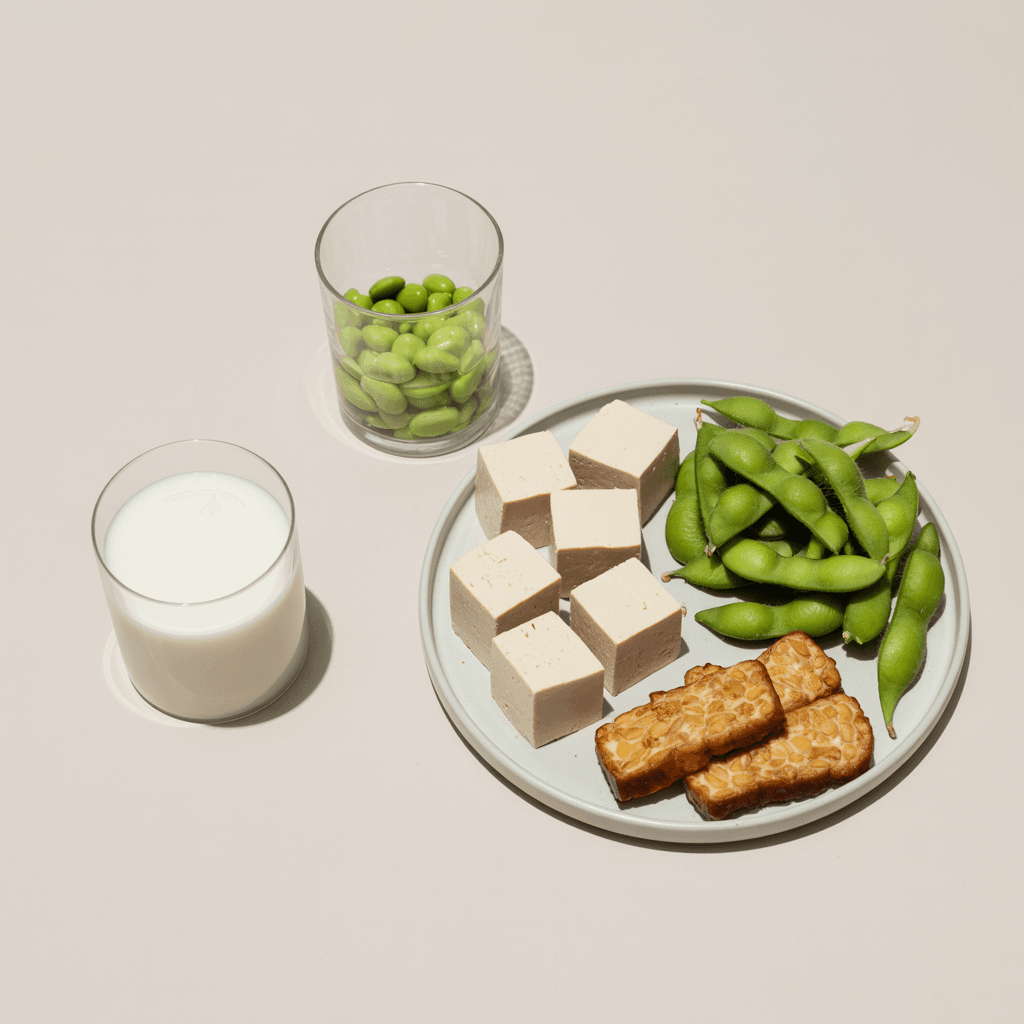
• Tofu (shown on the chart)
• Soybeans (shown on the chart)
Other high-protein soy foods not shown on the chart include:
• Tempeh
• Textured vegetable protein (TVP)
• Soy milk
These foods are also excellent sources of plant-based protein, but they are not included in the chart because protein amounts vary more by brand or preparation.
Shoppable Vegan Protein Pantry Staples
Keeping a few protein-rich plant foods on hand makes it much easier to build balanced meals, especially during busy weeks or Veganuary meal planning.
This is a great place to stock up on items like:
- Dried lentils
- Canned lentils
- Dried beans
- Canned beans
- Quinoa
- Rolled oats
- Brown rice
- Pumpkin seeds
- Hemp seeds
- Chia seeds
- Natural peanut butter
- Mixed nuts
These pantry staples work across breakfasts, lunches, dinners, and snacks and help protein add up without extra effort.
Which Vegan Foods Are Highest in Protein?
While every food on the chart contributes some protein, certain plant-based foods stand out as more protein-dense.
Foods near the top of the chart include pumpkin seeds, peanut butter, hemp seed, almonds, pistachios, flaxseed, tofu, oats, and chia seeds. Beans, lentils, and soybeans also provide a strong protein boost, especially when paired with whole grains.
Including one or two of these higher-protein options at each meal can make it easier to meet your protein needs without relying on protein powders or processed vegan foods.
A Note on Plant-Based Protein Powders
Whole foods like beans, seeds, grains, and soy-based foods should always form the foundation of a plant-based diet. That said, there are times when a plant-based protein powder can be helpful, especially during busy mornings, travel days, or periods of low appetite.
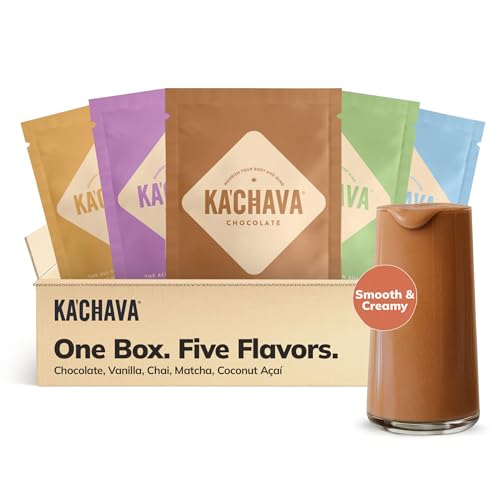
One plant-based protein powder I personally enjoy is Ka’Chava. It is an all-in-one blend that includes plant-based protein, fiber, vitamins, minerals, and superfoods, and it tastes noticeably better than many protein powders I have tried over the years.
Protein powders are not required to eat a high-protein vegan diet, but they can be a convenient option on days when preparing a full meal is not realistic. Think of them as a supplement to whole foods, not a replacement.

High-Protein Vegan Meal Ideas (Using the Chart)
You do not need complicated recipes to build high-protein vegan meals. Using the chart as a guide, you can mix and match a few protein-rich plant foods with vegetables and grains to create satisfying meals.
Breakfast Ideas
- Oatmeal topped with chia seeds, flaxseed, and peanut butter for a cozy, high-protein start to the day.
- Overnight oats with almond butter and hemp seed that you can prep ahead for busy mornings or Veganuary meal plans.
- Simple smoothie made with plant-based protein powder (such as Ka’Chava), ice, spinach, and optional frozen fruit for a quick, sippable protein boost.
Lunch Ideas
- Chickpea and quinoa bowls with plenty of colorful vegetables for a fiber-rich, high-protein lunch that keeps you full all afternoon.
- Lentil and brown rice bowls topped with pumpkin seeds for an easy, budget-friendly meal packed with protein, complex carbs, and crunch.
- Tofu and vegetable stir-fry over brown rice for a quick, skillet-friendly lunch that uses whatever veggies you have on hand.
- Bean and grain salads with walnuts or almonds for a make-ahead option that holds up well in the fridge and travels easily for work lunches.
Dinner Ideas
- Baked tofu with roasted vegetables and quinoa for a sheet-pan style dinner that feels cozy, balanced, and naturally high in protein.
- Lentil stew served with wheat bread for a one-pot comfort meal that delivers plenty of fiber, protein, and hearty flavor on cooler nights.
- Stir-fried vegetables with edamame or soybeans and rice for a quick, weeknight-friendly dinner that comes together fast in one pan.
- Grain bowls topped with hemp seed and nuts for a customizable dinner base where you can layer veggies, beans, and healthy fats to keep things satisfying.
Snack and Add-On Ideas
- A handful of pumpkin seeds or pistachios for a crunchy, high-protein snack you can keep at your desk or toss into salads and grain bowls.
- Peanut butter on toast for a quick, satisfying bite that combines carbs, healthy fats, and plant-based protein in just a few minutes.
- Chia seed pudding made with your favorite plant milk for a make-ahead snack or light dessert that delivers protein, fiber, and omega-3s.
- Roasted chickpeas or soybeans for a savory, protein-rich snack that feels like crunchy comfort food but still supports your vegan protein goals.
Vegan Protein Distribution: What a Day Can Look Like
Instead of focusing on a single high-protein food, it is often easier to think about how protein adds up over the day.
Breakfast might include oats with seeds and nut butter. Lunch could feature beans and grains. Snacks can add protein through nuts or seeds. Dinner often combines tofu or lentils with vegetables and rice.
This flexible approach works well for busy schedules, and anyone easing into more plant-based meals without strict rules or tracking.
Simple Tools and Staples That Make Plant-Based Eating Easier
Having the right basics on hand can make vegan meals feel effortless.
Helpful items include:
- Measuring cups and spoons plus a small kitchen scale to keep portions consistent and track protein more accurately when you want to.
- Glass meal prep containers for packing high-protein lunches and storing leftovers you can see at a glance.
- Storage containers for grains, beans, and seeds so it is easy to batch-cook and grab what you need during busy weeks.
- Sheet pans or an air fryer for low-fat roasting of vegetables, tofu, and chickpeas with minimal oil.
These small tools can make plant-based cooking and meal prep smoother, especially when trying new habits in the new year.

Most people can use the same general protein guidelines whether they are vegan or not. The main difference is being more intentional about including beans, lentils, tofu, soy foods, nuts, seeds, and whole grains throughout the day so your protein adds up.
It does not have to be. If you build meals around foods from this vegan protein chart—like lentils, tofu, quinoa, oats, beans, and seeds—protein can add up quickly without tracking every gram. A few high-protein choices at each meal usually make a big difference.
You do not have to perfectly combine specific foods at every meal. As long as you eat a variety of plant foods across the day—such as grains, beans, nuts, and seeds—your body can access all the essential amino acids it needs.
Protein powders are optional. Many people meet their needs with whole foods like beans, lentils, tofu, soy milk, nuts, and seeds. A high-quality vegan shake, such as Ka’Chava, can be a convenient backup for busy mornings, travel days, or low-appetite phases, but it is best used to support a balanced plant-based diet—not replace it.
Final Thoughts on Vegan Protein
Getting enough protein on a vegan or plant-based diet does not have to be complicated. As this chart shows, many everyday plant foods contribute protein in different amounts, and it all adds up over the course of the day.
Using a vegan protein chart as a reference can help you make informed choices, but it does not need to be followed perfectly. Mixing beans, grains, seeds, nuts, and soy-based foods across meals is often more effective than focusing on a single food.
Whether you are participating in Veganuary or simply adding more plant-based meals to your routine, progress matters more than perfection. Simple combinations, familiar foods, and consistency go a long way.
Here’s to making plant based eating feel simple, flexible, and enjoyable all year long!
🍴 Looking for more holiday recipes? Visit our Meals page